
Our Blog
Tips, guides, and expert advice to protect your home and family.
5 Signs You Have Hidden Moisture Damage in Your Home
Don't wait until it's too late — these warning signs could save you thousands of dollars in repairs.
Introduction
Moisture damage is one of the most common — and most dangerous — problems a homeowner can face. The tricky part? It often hides behind walls, under floors, and inside ceilings for months before you even notice it. By the time visible damage appears, the problem has usually already spread far beyond what the eye can see.At Cleanser Property Restoration, we've responded to hundreds of moisture damage cases across Tampa, Miami, Orlando, and Jacksonville. In almost every case, the homeowner said the same thing: "I didn't even know it was there."That's exactly why we wrote this guide. Here are 5 signs that hidden moisture damage may already be affecting your home — and what you should do about it.
1. Musty or Earthy Smell That Won't Go Away
If you walk into a room and notice a persistent musty odor — even after cleaning — that's one of the earliest and most reliable signs of hidden moisture. That smell is caused by mold and mildew growing in areas you can't see: inside walls, under flooring, or in the attic.Many homeowners try to cover it up with air fresheners or candles. But masking the odor doesn't solve the problem — it just gives the moisture more time to spread.What to do: Don't ignore it. Call a certified moisture inspection team to locate the source before mold takes hold.
2. Peeling, Bubbling, or Stained Paint and Wallpaper
Paint and wallpaper are surprisingly good indicators of what's happening behind your walls. When moisture seeps into drywall, it causes paint to bubble, crack, or peel. You may also notice yellowish or brownish water stains appearing seemingly out of nowhere.These stains are a red flag that water has already penetrated the surface and is sitting inside your wall structure. The longer it stays, the more damage it causes — and the more expensive it becomes to fix.What to do: Don't just repaint over the stain. Have a professional identify and resolve the moisture source first.
3. Warped, Buckling, or Soft Floors
Hardwood floors that suddenly feel soft underfoot, laminate that's starting to lift at the edges, or tiles that have begun to crack — these are all signs that moisture has reached your subfloor.Water damage beneath flooring is particularly dangerous because it creates the perfect environment for mold growth in a place that's extremely difficult to access and treat without professional equipment.What to do: If your floors feel different than they did before — softer, uneven, or springy — get a moisture inspection scheduled immediately.
4. Visible Mold Growth — Even Small Spots
Mold is never "just cosmetic." Even a small patch of mold on a wall or ceiling is a sign of a larger moisture problem underneath. Mold only grows where there is consistent moisture, which means if you can see it, there's likely much more hidden behind the surface.Black mold in particular poses serious health risks — respiratory problems, allergies, and in severe cases, long-term health complications. Families with children or elderly members are especially vulnerable.What to do: Never try to scrub or bleach mold yourself. This can release spores into the air and spread contamination. Contact a licensed mold remediation professional immediately.
5. Unexplained Increase in Your Water Bill
If your water consumption hasn't changed but your bill has gone up significantly, you may have a hidden leak inside your walls or under your foundation. These slow, silent leaks are extremely dangerous because they go undetected for months — sometimes years — while continuously saturating the structure of your home.What to do: Check all visible pipes and faucets first. If everything looks fine but the bill is still high, call a professional to perform a leak detection inspection.
Conclusion
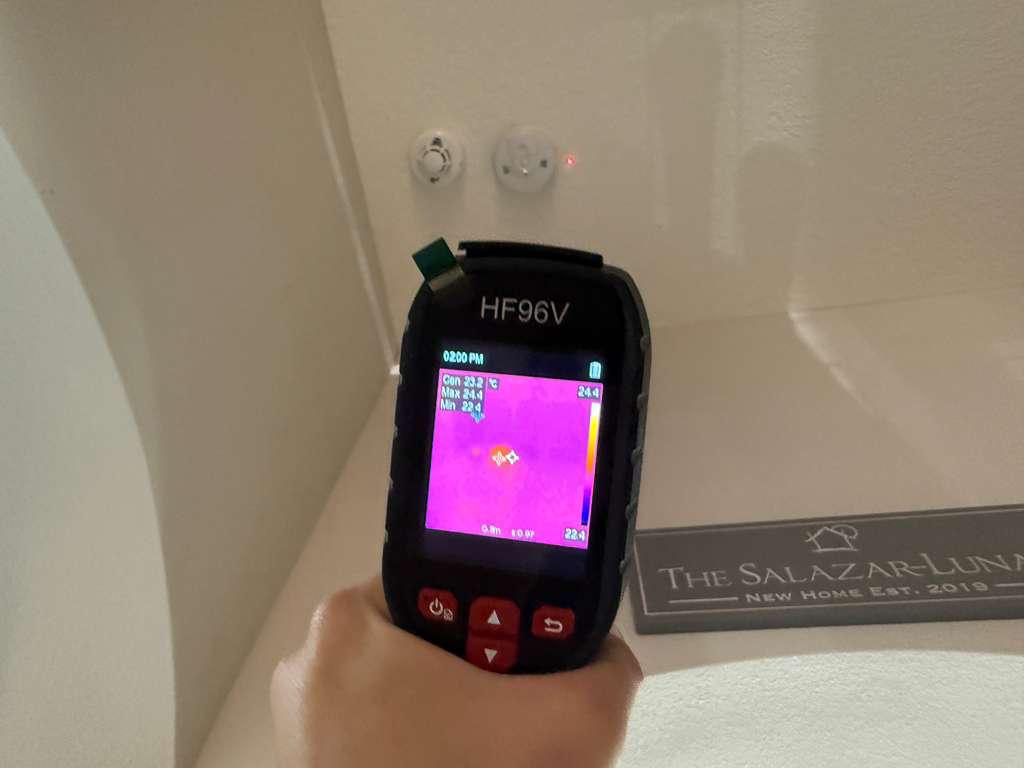
Hidden moisture damage doesn't announce itself — it grows quietly until the damage becomes impossible to ignore. The good news is that when caught early, moisture problems are completely treatable and far less expensive to fix.At Cleanser Property Restoration, our certified team uses advanced thermal imaging and moisture detection equipment to find problems before they become disasters. We serve homeowners across Tampa, Miami, Orlando, and Jacksonville — and we're available 24/7.Don't wait for the damage to find you. Schedule your free moisture inspection today. (813) 724-1788 cleanserllc.com
What To Do Immediately After Storm Damage — A Step-by-Step Guide
The first 24 hours after a storm are the most critical. Here's exactly what you need to do to protect your home and your family.
Introduction
Florida is no stranger to powerful storms. From tropical storms and hurricanes to severe thunderstorms with damaging winds and hail, homeowners across the state face storm-related property damage every single year.When a storm hits, the damage can feel overwhelming. Broken windows, roof damage, flooded rooms, fallen trees — knowing what to do in those first critical hours can be the difference between a manageable repair and a total loss.This step-by-step guide will walk you through exactly what to do immediately after storm damage occurs — so you can protect your family, preserve your property, and start the recovery process the right way.
1: Make Sure Everyone Is Safe First
Before you think about your property, make sure every member of your family is safe and accounted for. Storm damage can create hidden dangers — unstable structures, downed power lines, broken glass, and contaminated floodwater.Do not re-enter your home until you are certain it is structurally safe. If you smell gas, hear unusual sounds from the structure, or see significant roof or wall damage, stay outside and call emergency services.Your property can be repaired. Your family cannot be replaced.
2: Document Everything With Photos and Video
Once it is safe to do so, document all damage thoroughly before touching or moving anything. Use your phone to take photos and videos of every affected area — exterior damage, interior flooding, broken windows, roof damage, and any personal belongings that have been damaged.This documentation is critical for your insurance claim. The more detailed your evidence, the smoother and faster the claims process will be.Tips for documentation:Photograph damage from multiple anglesInclude wide shots showing the full scope of damageTake close-up shots of specific damage pointsRecord video walkthroughs of each roomNote the date and time of all photos
3: Prevent Further Damage If It Is Safe To Do So
Insurance companies expect homeowners to take reasonable steps to prevent additional damage after a storm. This is called "mitigation" and it can affect your claim if you fail to do it.Safe mitigation steps you can take:Cover broken windows with plastic sheeting or plywoodPlace tarps over roof damage to prevent water from enteringMove undamaged valuables to a dry, safe areaTurn off electricity to flooded areas at the breaker boxDo NOT attempt repairs that require climbing on a damaged roof or entering a structurally compromised area. Leave those to the professionals.
4: Contact Your Insurance Company
Call your homeowner's insurance company as soon as possible to report the damage and begin the claims process. Have your policy number ready and provide them with a summary of what happened and what was damaged.Ask your insurance company:What is covered under your policy?What is your deductible?How long do you have to file a claim?Will they send an adjuster — and when?Keep a record of every conversation you have with your insurance company, including the name of the representative, the date, and what was discussed.
5: Call a Professional Restoration Company
This is the step that makes the biggest difference in how quickly and completely your home recovers. A professional property restoration company like Cleanser has the equipment, training, and experience to assess all damage — including hidden damage — and begin the restoration process immediately.Why call a restoration company before repairs begin:They can identify hidden moisture and structural damage that isn't visible to the eyeThey document damage professionally, which strengthens your insurance claimThey can begin emergency mitigation services to prevent mold and further deteriorationThey coordinate directly with insurance adjusters in many casesAt Cleanser Property Restoration, we respond 24/7 to storm damage across Tampa, Miami, Orlando, and Jacksonville. From the initial inspection to the final walkthrough, we handle everything — so you can focus on your family.
6: Watch for Secondary Damage in the Days After
Storm damage doesn't always reveal itself immediately. In the days following a storm, watch for these signs of secondary damage developing:Water stains appearing on ceilings or wallsMusty odors indicating mold growth beginningDoors or windows that suddenly stick or won't close properly — a sign of structural shiftingCracks appearing in walls or ceilingsSoft or warped flooringIf you notice any of these signs, contact a restoration professional immediately. Secondary damage — especially mold — can develop within 24 to 48 hours of water intrusion and spread rapidly if left untreated.
Conclusion
The hours immediately following storm damage are stressful and chaotic. But taking the right steps — in the right order — can protect your family, preserve your property, and make the recovery process significantly faster and less expensive.At Cleanser Property Restoration, we've helped hundreds of Florida homeowners navigate the aftermath of storm damage. Our certified team is available 24 hours a day, 7 days a week, ready to respond when you need us most.
Call us now for immediate storm damage assistance — no obligation, free inspection. (813) 724-1788 cleanserllc.com